
Can Paying Part of the Rent Stop Eviction in Georgia? What You Need to Know Now
Partial rent payments in Georgia won’t always stop an eviction. You might think paying something is enough to keep your home, but Georgia landlord tenant law sets strict rules. Knowing when partial payment can delay or even stop a dispossessory case is critical for your housing rights. Keep reading to learn what actions can protect you and how to buy crucial time before your eviction hearing. For more information, you can check this guide for tenants.
Georgia Eviction Laws And How They Impact Your Rights

Georgia eviction laws can be a maze, but understanding them is crucial if you’re facing eviction. Let’s break down how partial rent payments play a role.
How Partial Rent Affects Eviction
Paying a portion of your rent might seem like a good faith effort, but it doesn’t always prevent eviction. In Georgia, landlords can initiate eviction even if you make a partial payment. This is because accepting a partial payment doesn’t waive their right to pursue eviction unless explicitly agreed upon. Always check with your landlord or consult a legal expert to understand your specific situation.
In some cases, landlords might agree to a payment plan, saving you from immediate eviction. But this agreement must be in writing. Georgia law requires landlords to give a written notice before starting an eviction process, so be aware of your rights. For more detailed guidance, visit this resource.
Full Payment to Stop Eviction
A full payment of rent can halt an eviction process. The key is to pay the full amount before the court date. This is known as “pay and stay” in Georgia. If you manage to pay all dues, including any late fees, the eviction is typically dismissed. But timing is crucial, so don’t delay.
Communicate with your landlord if you plan to pay in full. Make sure to document all transactions and keep records. If possible, get a written agreement from your landlord acknowledging the full payment and stopping the eviction process. Remember, clear communication can often resolve issues before they escalate.
Key Georgia Tenant Rights
As a tenant, knowing your rights is empowering. In Georgia, landlords must follow strict procedures for eviction. They can’t lock you out or shut off utilities without a court order. If you’re facing eviction, you have the right to a court hearing. Use this opportunity to present any defenses or negotiate terms.
Additionally, you may qualify for legal aid or support services in your area, which can provide valuable assistance. Stay informed about your rights to protect yourself from unlawful eviction practices. For more on tenant rights, explore this tenant’s guide.
Strategies To Delay Eviction And Stay In Your Home

Delaying an eviction can give you precious time to sort out your finances or make new living arrangements. Here are some strategies to consider.
Payment Plan and Eviction Delay
Negotiating a payment plan with your landlord can delay eviction. It shows your willingness to resolve the issue and can sometimes lead to an agreement that benefits both parties. When proposing a payment plan, be realistic about what you can afford. Outline clear terms and ask for them in writing to avoid misunderstandings.
Landlords might be more open to negotiations than you think, especially if they want to avoid the time and expense of court proceedings. Remember, a payment plan is not just about the money; it’s about demonstrating your commitment to fulfilling your rental obligations.
Using Georgia-Specific Defenses
Georgia law provides specific defenses you can use in court to delay or stop eviction. For instance, if the landlord has not maintained the property as required, you may have grounds to contest the eviction. Document any repair issues and communicate them to your landlord.
Another defense could be if the landlord did not follow proper legal procedures in filing for eviction. Legal technicalities can sometimes work in your favor, so it’s wise to have an attorney review your case. Each defense requires evidence, so gather your documents and prepare thoroughly.
Negotiating with Landlords
Negotiation can be a powerful tool. Approach your landlord with a clear proposal and be open to compromise. Often, landlords prefer resolving issues without going to court. Highlight mutual benefits: you stay longer, and they avoid legal hassles.
In negotiations, emphasize your reliability as a tenant. Show past payment records or references if necessary. Your landlord might be more willing to work with you if they see you as a responsible tenant trying to make things right.
Immediate Actions Georgia Tenants Can Take Right Now
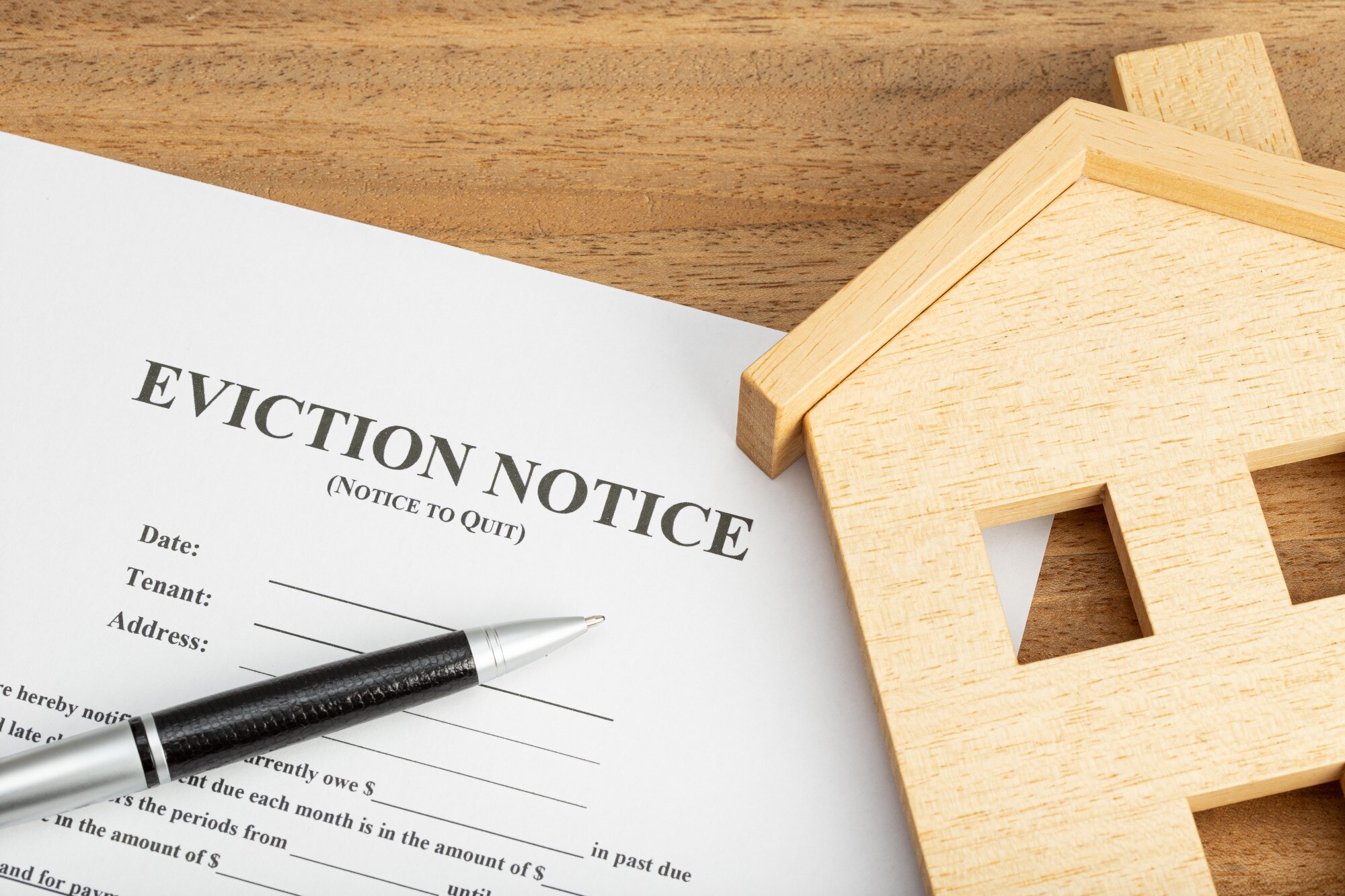
When eviction seems imminent, immediate action is crucial. Here’s what you can do right now.
Preparing for Court
Facing a court hearing can be intimidating, but preparation is key. Gather all documents related to your tenancy: lease agreements, payment receipts, and any correspondence with your landlord. These will be vital in presenting your case.
Understand the eviction process and what is expected in court. Practice your statement and be clear about your defenses. If possible, seek guidance from legal professionals or support services. Being well-prepared can significantly influence the outcome of your case.
Seeking Legal Assistance
Legal assistance can be a game-changer. A Georgia eviction defense attorney can provide expert advice and representation. They understand local laws and can advocate for your rights. If finances are a concern, look into pro bono services or legal aid organizations.
Most people hesitate to seek legal help, thinking it’s expensive, but many resources are available for those in need. Don’t face this challenge alone when help is readily available. Legal support can offer peace of mind and increase your chances of a favorable outcome.
Protecting Your Housing Rights
Your housing rights are worth defending. Stay informed, be proactive, and seek support when needed. Even if you’re facing eviction, you have options and rights that can protect you. Act swiftly, and don’t ignore notices or court summons.
The longer you wait, the fewer options you may have. Stay connected with tenant advocacy groups and community resources. You’re not alone in this fight, and there are allies ready to support you in safeguarding your home.