How to Slow an Eviction Case in Georgia—Without Costly Mistakes

This guide explains how to slow eviction in Georgia by timely responding, requesting continuances, demanding jury trials, transferring cases, using habitability defenses, and seeking legal and rental assistance.
Georgia Landlord–Tenant Rights During Evictions: What To Do Now

In Georgia, tenants have 7 days to respond to eviction notices. Landlords must follow legal procedures; illegal evictions are challengeable. Tenants can present defenses, negotiate payment plans, and appeal evictions.
How to Legally Delay an Eviction in Georgia: Clear Steps to Protect Your Home

In Georgia, tenants have 7 days to file an Answer after eviction notice to delay eviction. Legal defenses, continuances, appeals, and protections like SCRA/VAWA help safeguard housing rights.
Eviction Hurts. Legal Delay Can Help You Breathe in Georgia.
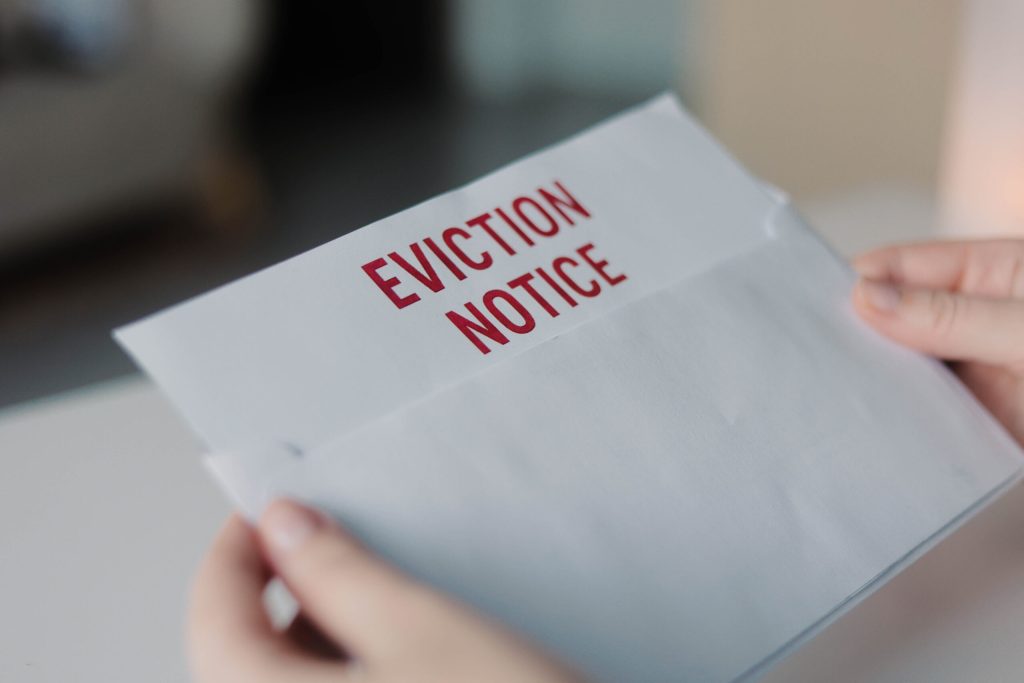
Eviction in Georgia causes severe emotional and economic stress for tenants and businesses. Early legal intervention and understanding tenant rights can delay eviction, offering crucial time and support.
Know Your Options Now: How a Tenant Rights Consultation Can Slow or Stop an Eviction in Georgia

A tenant rights consultation in Georgia offers vital legal guidance to delay or stop eviction by understanding defenses, filing timely answers, gathering evidence, negotiating with landlords, and navigating county court procedures.
Critical Georgia Tenant Rights in Evictions You Need to Know Now

Georgia tenants have rights to proper eviction notices, court hearings, and legal defenses. Filing timely responses can delay eviction. Illegal lockouts are prohibited. Seek legal aid early to protect your home.